
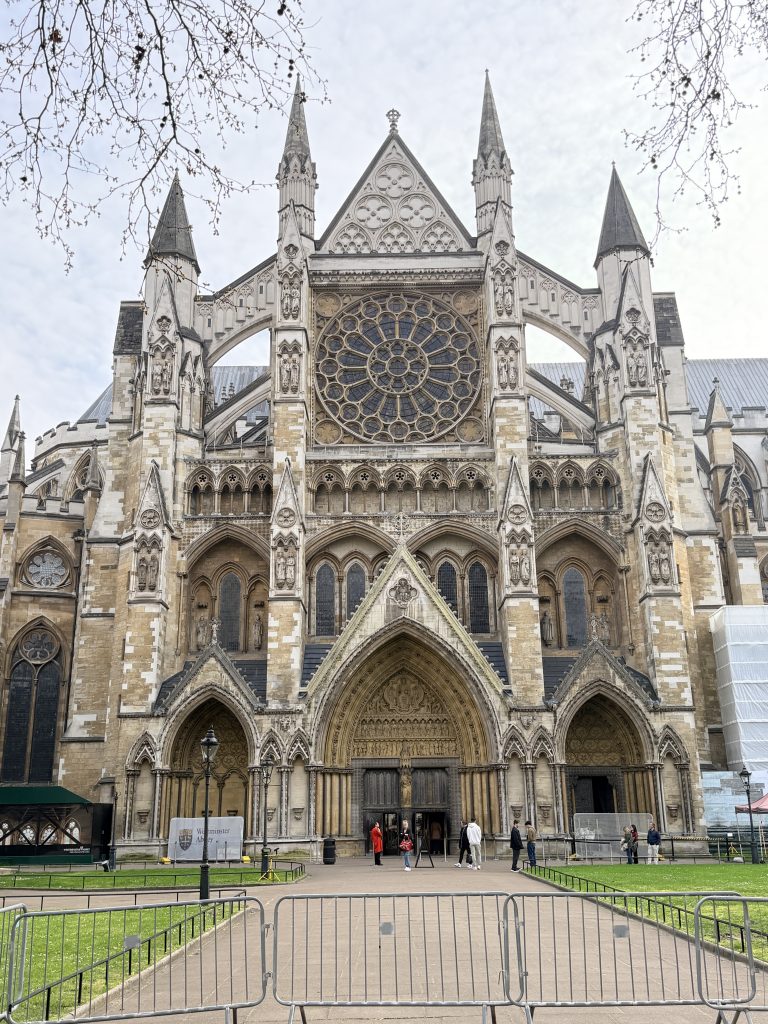
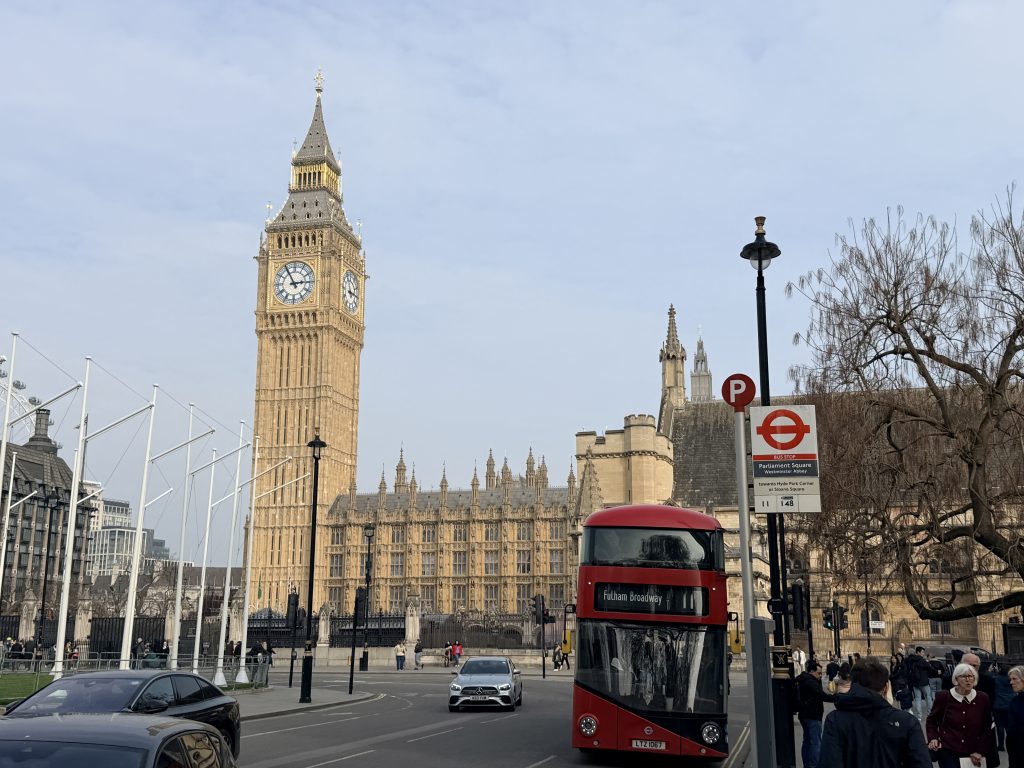
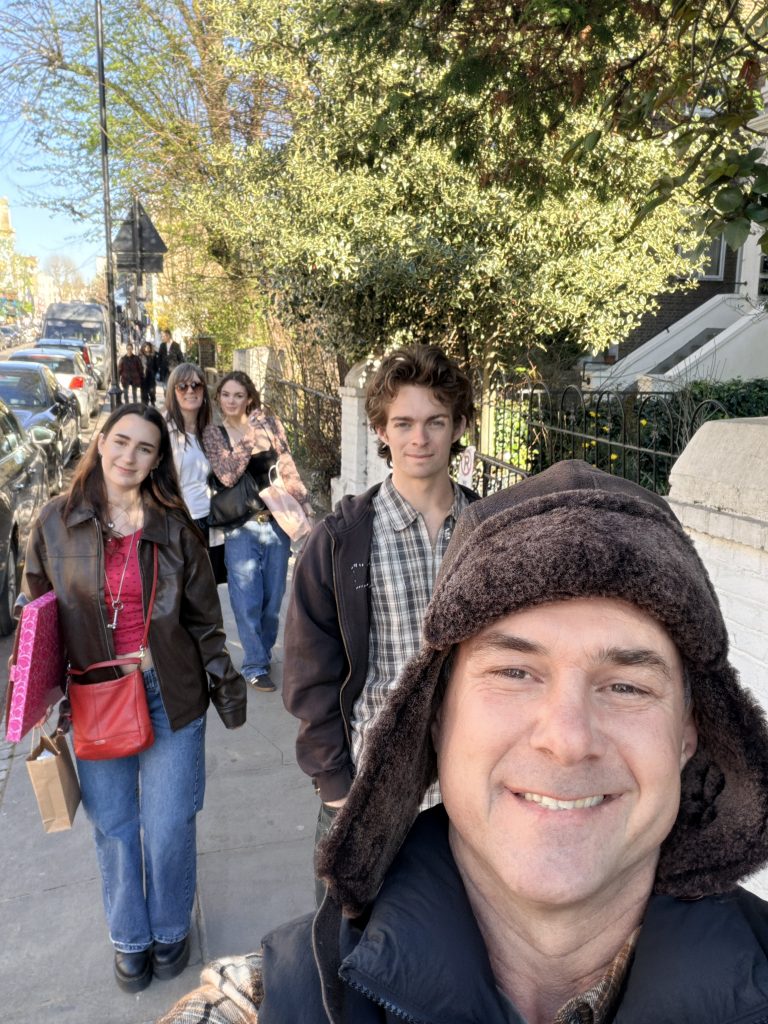
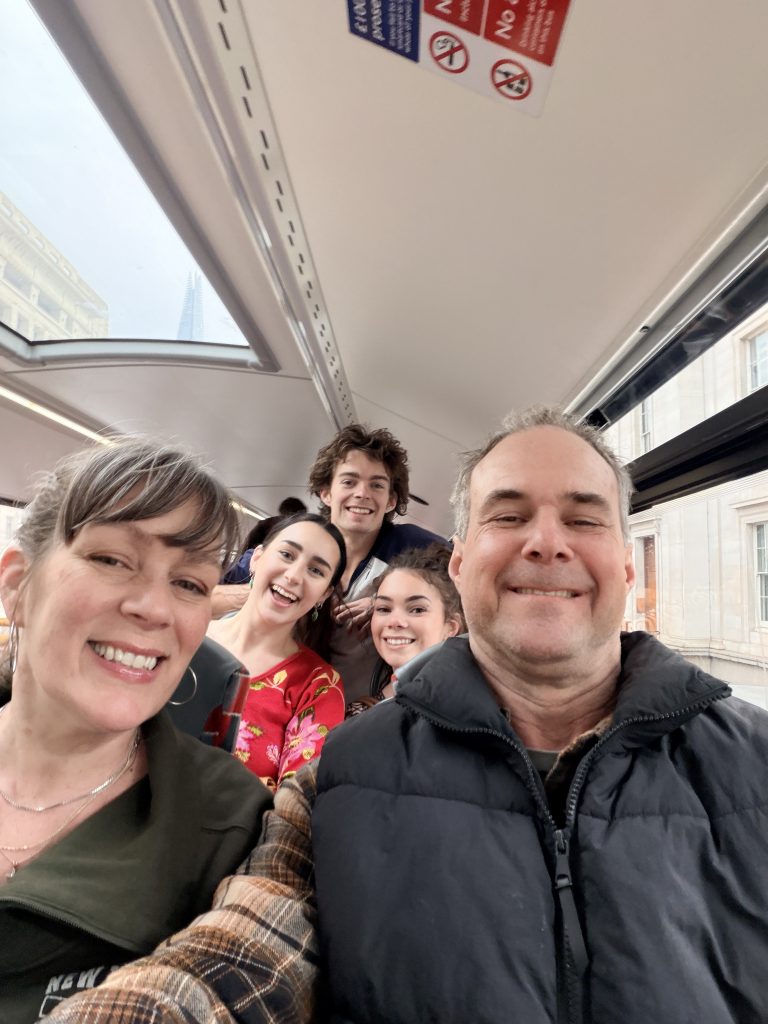
I went to London with my wife and two of my kids to visit my daughter who is there studying for three months. Seven days. I had no agenda. That turned out to be the whole point.
My first impression walking around zone 1 was how different it felt from American cities. Cleaner. Calmer. People weren’t threatening. Nobody looked homeless or defeated. Incredibly diverse — culturally, ethnically, every kind of person sharing the same sidewalk and somehow making it work. I kept thinking: how does this function so well? The answer, I learned, is partly the NHS, six weeks of annual leave, a social contract that mostly holds. And partly that people here have made a different bet than Americans have. Lower ceiling, higher floor. They trade the American dream of unlimited upside for the quiet security of a life that doesn’t destroy you if you get sick.
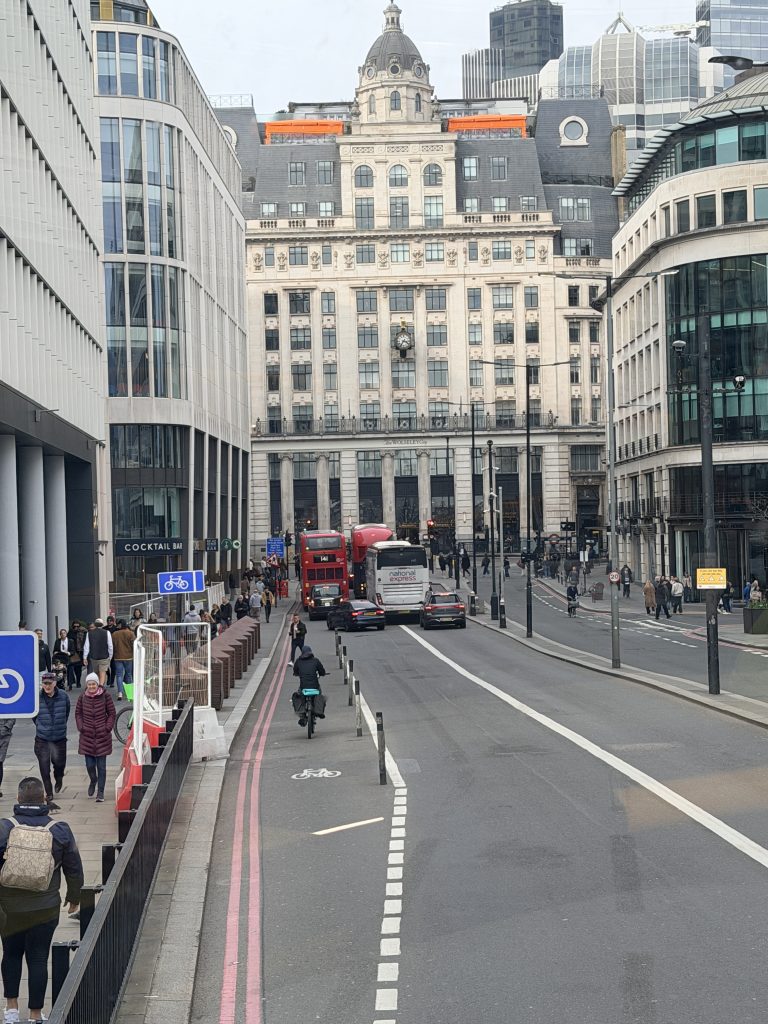
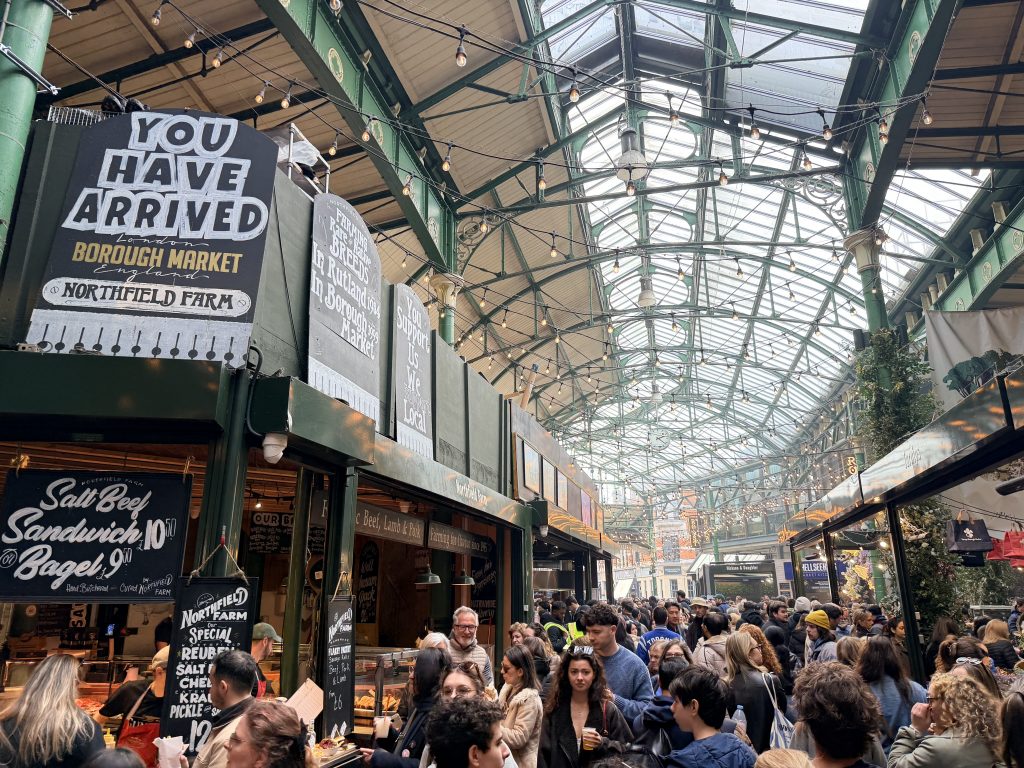
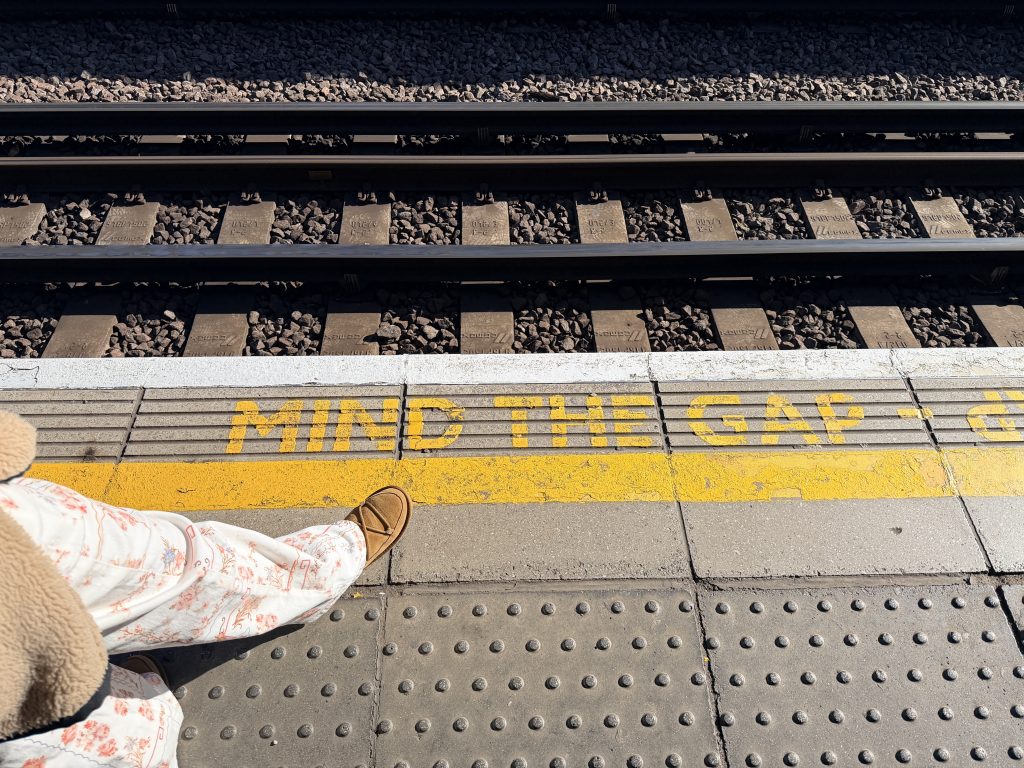
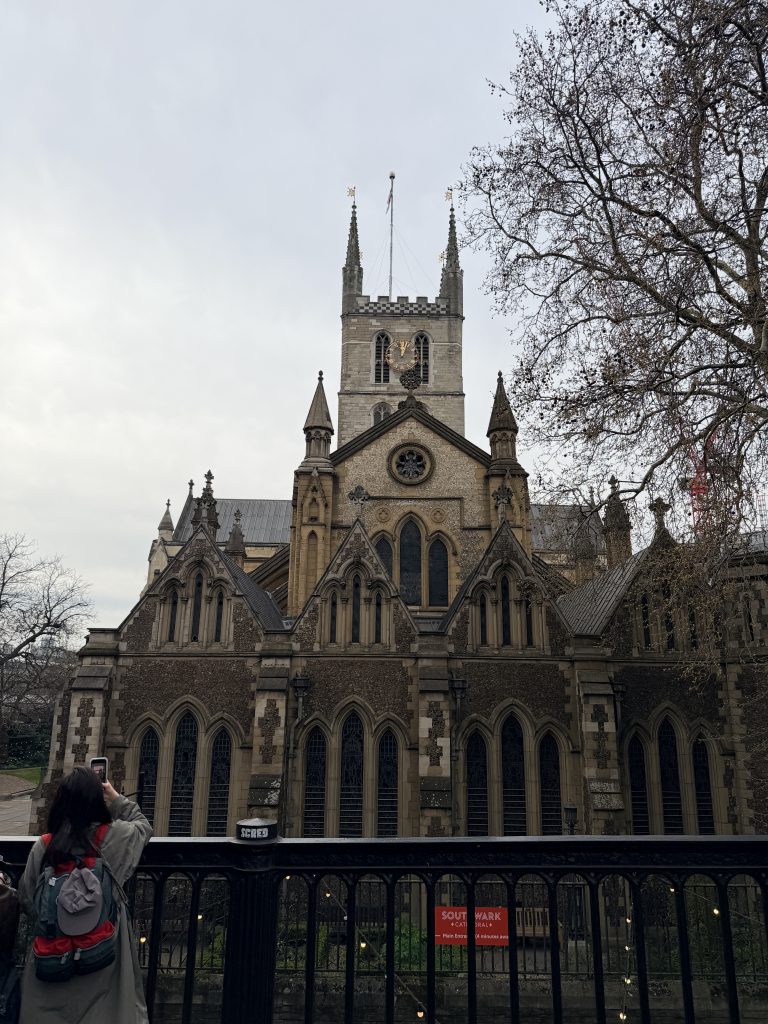
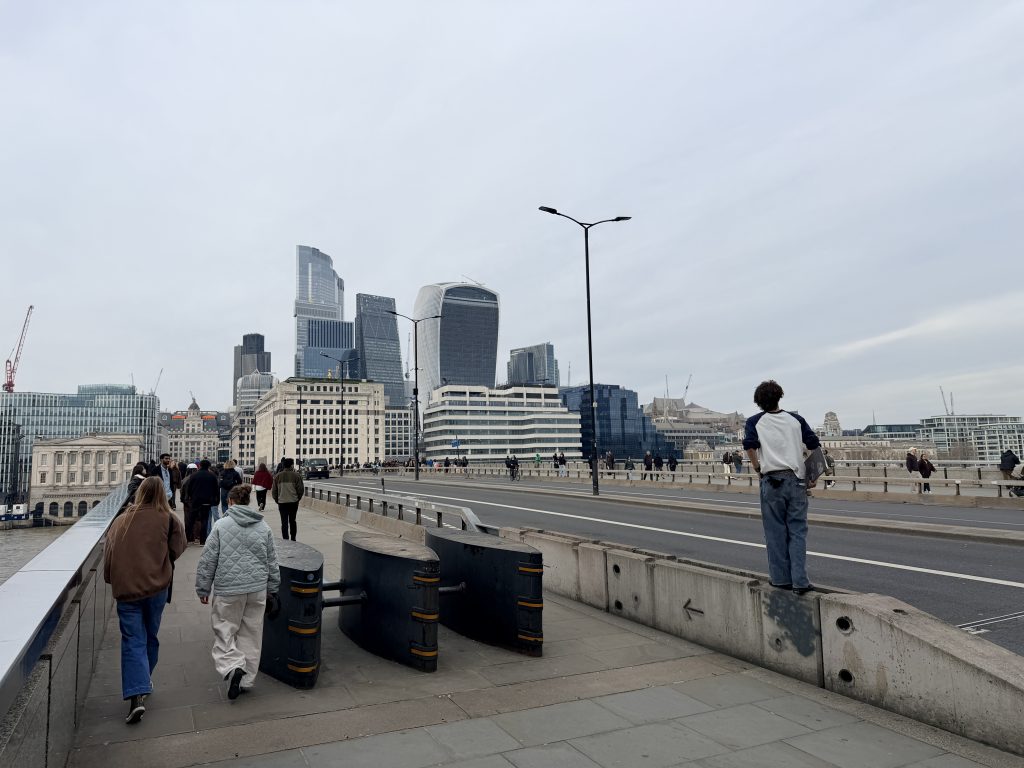
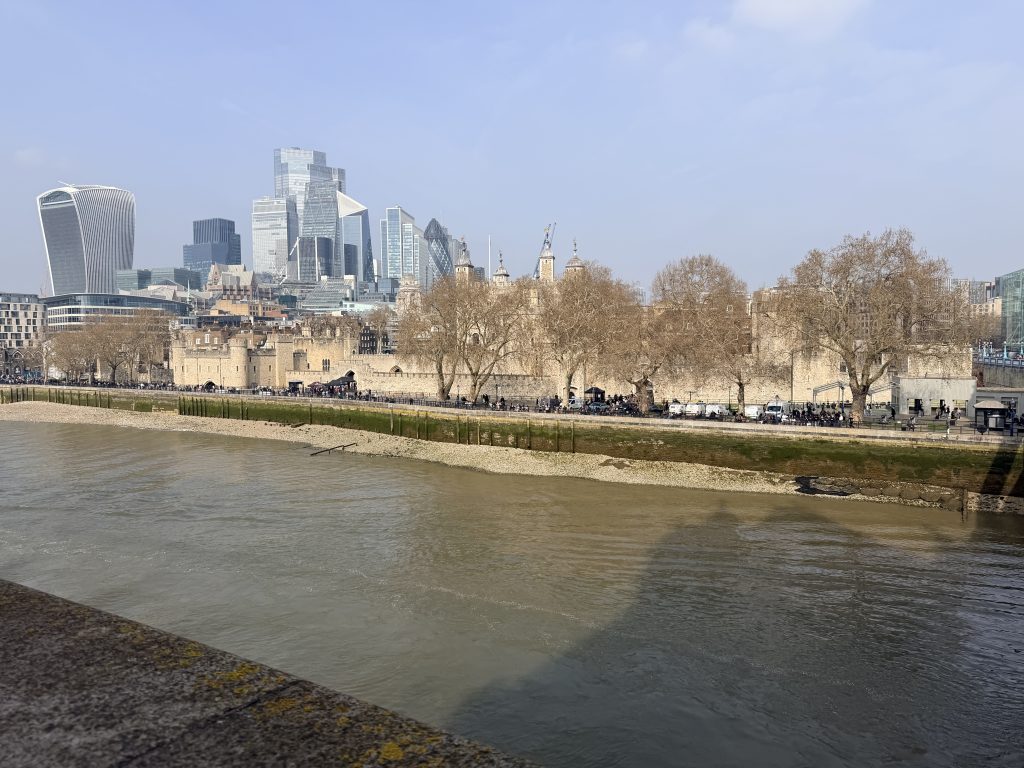
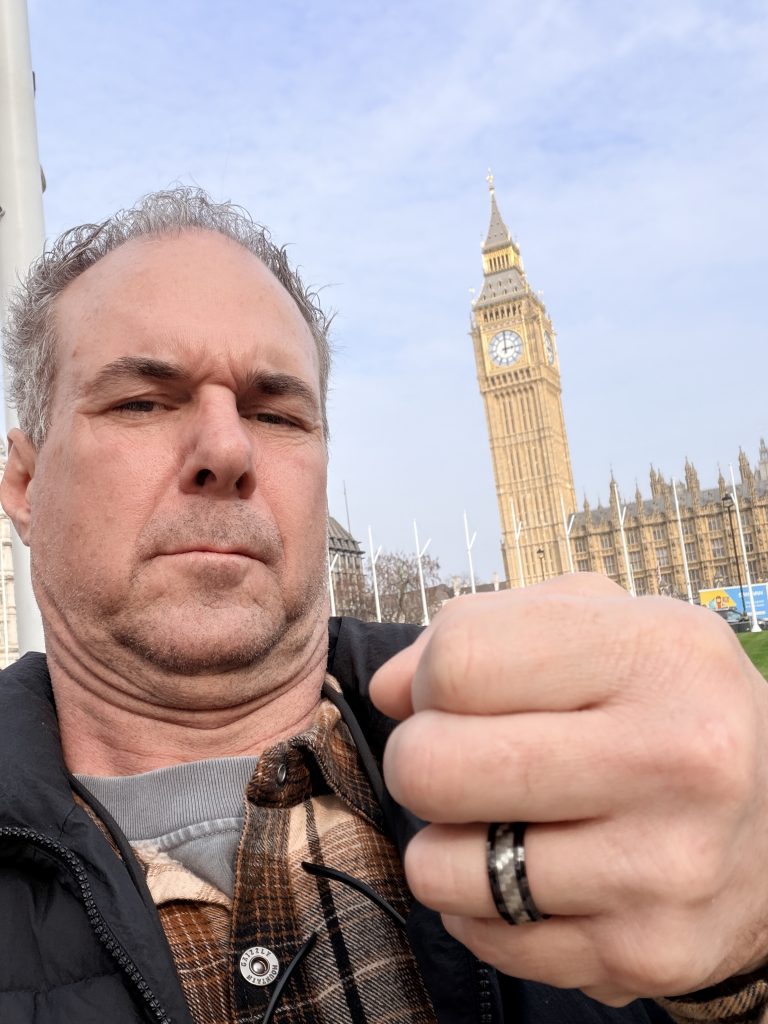
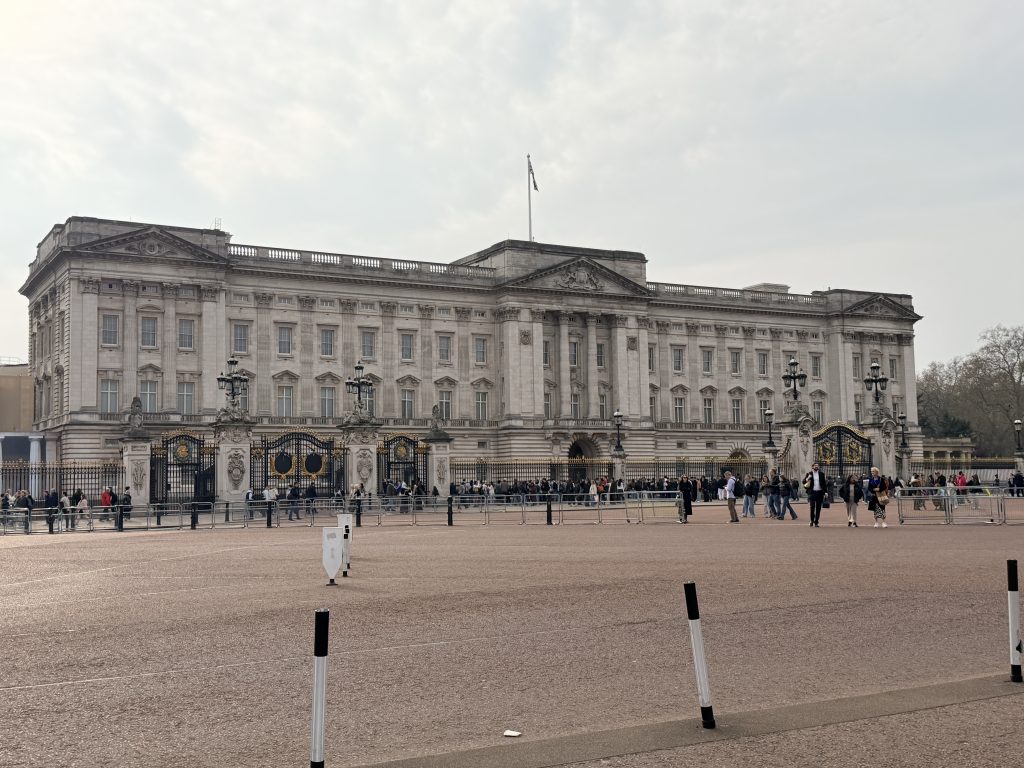
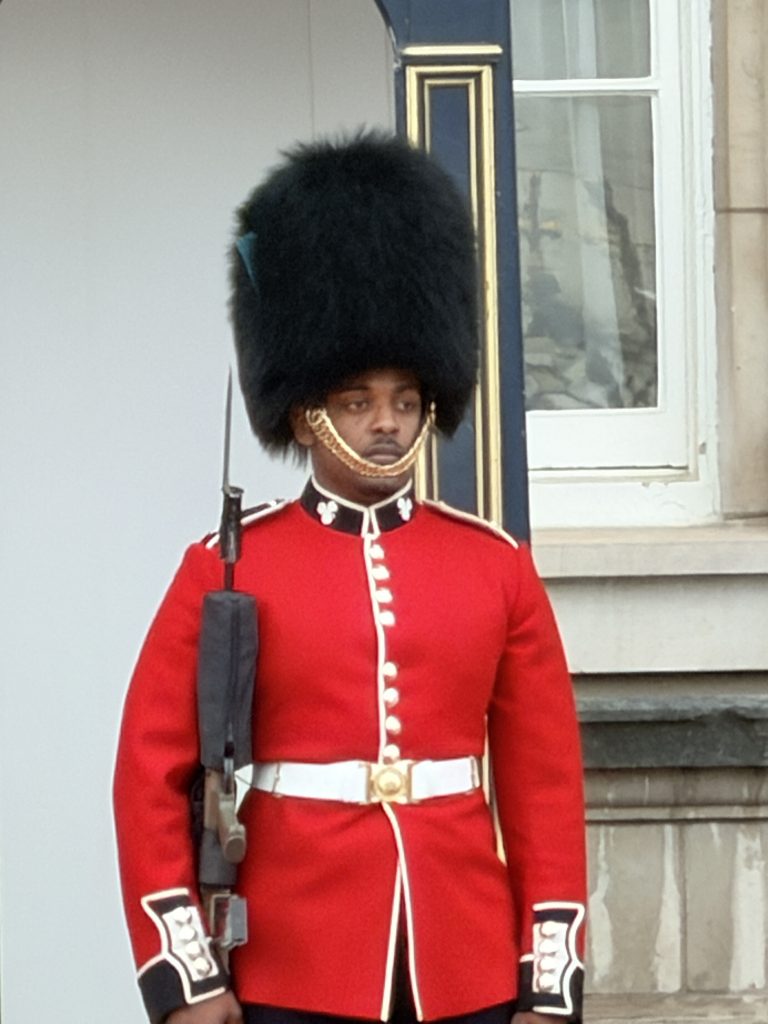
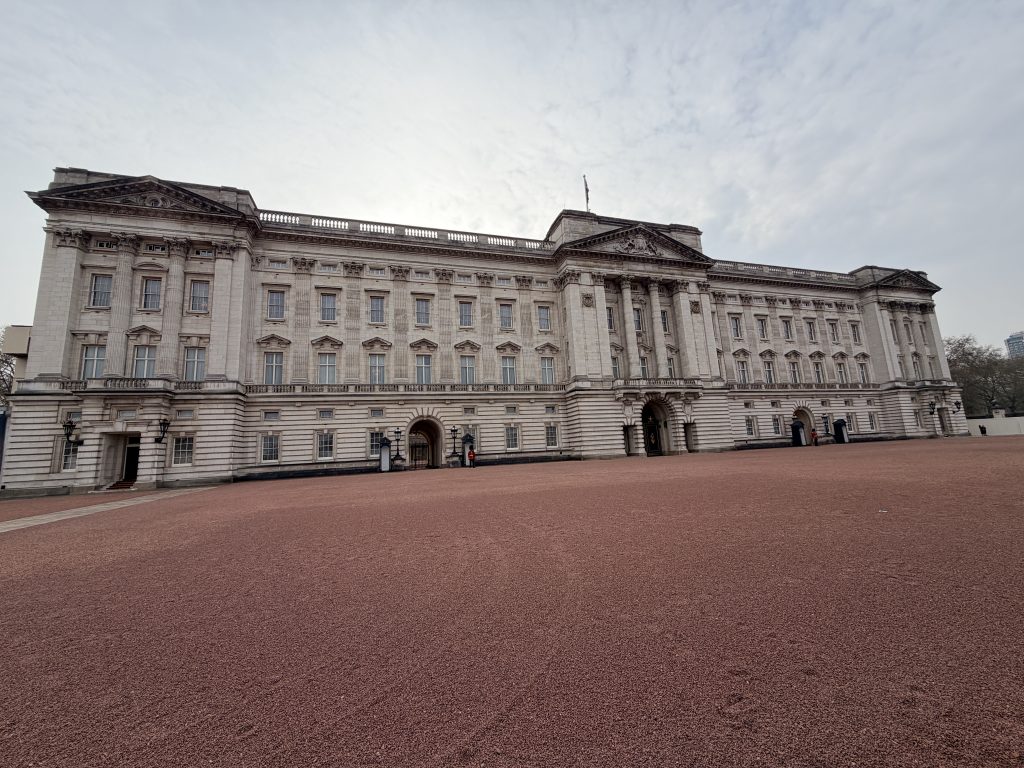
We rode the buses and the tube and walked everywhere often backtracking behind a confused leader. My son skateboarding exclusively through crowded sidewalks and encouraging us to get past turnstiles and bus drivers without paying. We visited many markets, London Bridge, Buckingham Palace, The Book of Mormon, lots of diverse meals. Mostly I followed the girls shopping and kept my mouth shut while my body complained, every comfort mechanism on hold. For those of you who know me, you understand what kind of spiritual discipline that required.
The Lunch
At lunch one day my son unloaded. He was frustrated. His little sister had gotten her way all week, he hadn’t been able to do what he wanted, it was unfair, the trip was terrible, this sucked.
I listened. I watched my wife listen. I shoved down everything I wanted to say — and if you know me, you know there was a lot I wanted to say. I was patient. I waited. When he finally finished I said, “Can I say something?”
My wife looked at me the way she looks at me when she’s not sure what’s coming. She said, “Only if it’s positive.”
I said: “I feel exactly the same way.”
That’s it. That was the whole response. And something shifted at that table that I don’t have adequate words for. We were connected. All of us. Right there in London.
My son didn’t need me to fix the trip or reframe it or remind him how lucky he was. He needed his father to tell him the truth. And the truth was: yeah, me too. Sometimes it was frustrating. And we’re still here, together, at this table, in this city, and I wouldn’t trade it.
Ativ
After that lunch I met a 19-year-old kid from Sudan on the street. Ativ. I admired his bicycle and he lit up. He is a mechanic and he’d built it himself. He uses it for courier work — one of his 3 jobs.
He’s also in trade school studying automotive mechanics. He’s been in London three years. He wants to own a bicycle shop.
I showed him my website. My YouTube videos. The electric bicycle I built. The motorcycles. He looked at his phone screen and said it was like a dream.
I gave him two business cards and asked him to contact me.
Here’s what I know about that encounter: it only happened because of what had already happened at lunch. A defended version of me walks past Ativ. The man who met him on that London street was already open. The lunch had cracked something loose, and Ativ walked right into it.
What I’m Taking Home
I’ve been to Vietnam. Now London. Both times something opened up that doesn’t open at home. I’ve been sitting with why. I don’t think it’s the destination. I think it’s that travel strips the familiar defenses. You can’t manage a foreign city. You can only be in it.
But here’s the harder question I’m carrying home: what bubble am I living in back in America? And is it the culture, or is it me? Probably both. The survival code — don’t talk, don’t trust, don’t feel — keeps you in the bubble even when you’re physically outside it.
This week I was outside both.
I didn’t plan any of this. The lunch. Ativ. The connections with my kids that will reverberate in ways I can’t track. I was just along for the ride. For a man who spent decades trying to control outcomes, that’s not a small thing to say.
This is what the work is for. Not to become a better manager of life. To become someone who can show up open — and let the miracle happen.



A street performer teaches me a rhythm and lets me practice it
My son putting his passion on display